Recent Blog Posts

By By Tami Halbersma • October 9, 2026
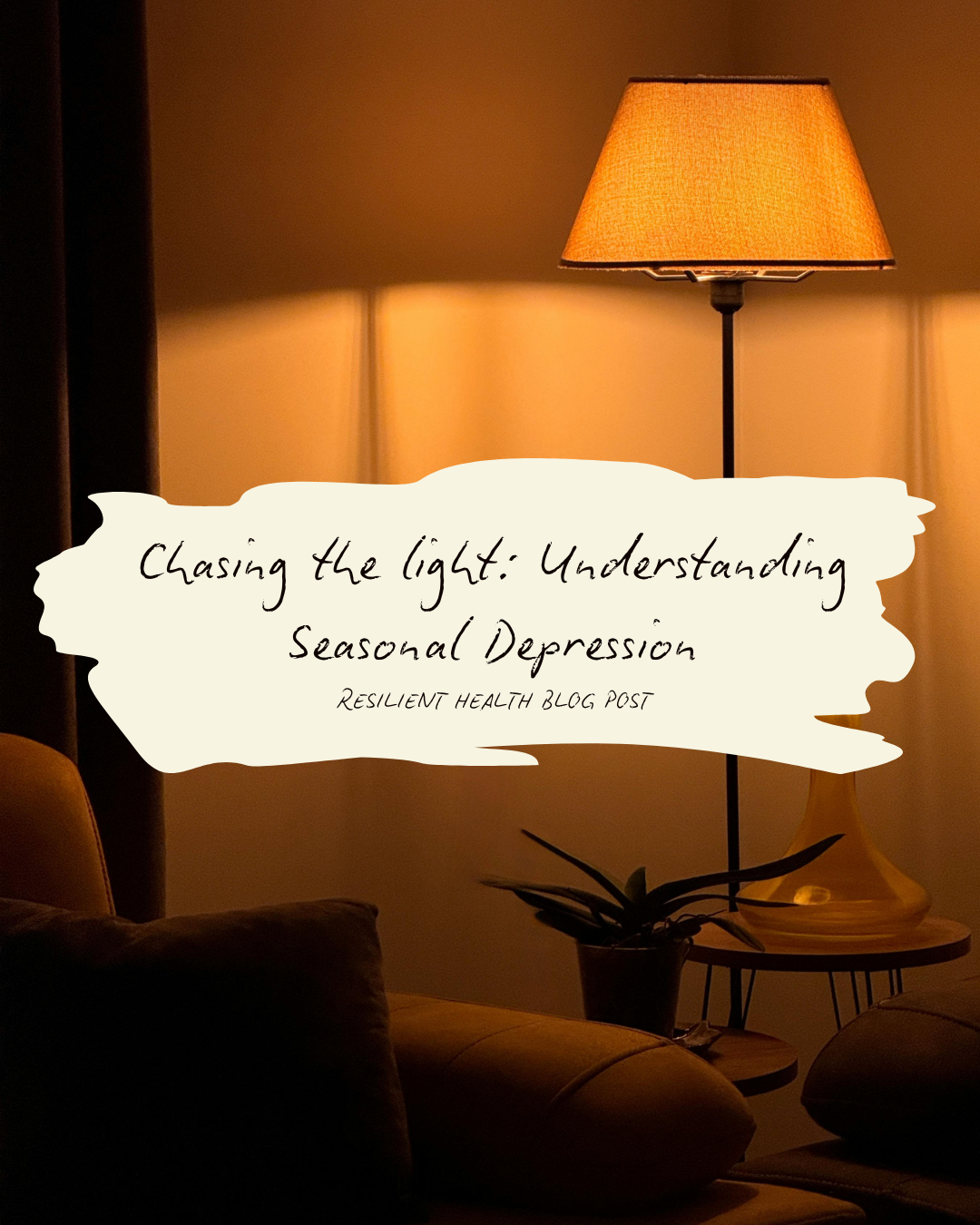
Chasing the Light: Understanding Seasonal Depression If you have noticed it getting harder to get out of bed lately, you are not imagining it. Here in central Iowa, we lose a few minutes of daylight every day this time of year. When daylight saving time ends on Sunday, November 1, sunset will jump to around 5 p.m. By the winter solstice, Des Moines gets barely nine hours of daylight, about six fewer than in June. For many people, that shift brings a little sluggishness, craving for comfort food, and no desire to be outside. For others, it brings something heavier: a real, recurring depression that arrives with the fall and lifts with the spring. This pattern is called seasonal affective disorder (SAD), and it is very treatable. Winter blues, or something more? SAD is a form of depression that follows the seasons. In clinical terms, it is major depression with a seasonal pattern: episodes start at about the same time each year and fully resolve when the season changes, typically for at least two years in a row. The "winter blues" are common and milder. You might feel a bit flat, sleep a little more, or miss the sunshine, but you still function well and enjoy the things you care about. SAD is different. It gets in the way of work, relationships, and daily life, and it tends to last for months rather than days. Most people with SAD have a fall and winter pattern. Others may experience a summer pattern, often with poor sleep, low appetite, and restlessness. What it can look like Winter-pattern SAD often feels like your body is trying to hibernate. Common signs include: • Low mood most of the day, nearly every day • Losing interest in things you usually enjoy • Sleeping much more than usual and still feeling tired • Heavy, low-energy days, sometimes described as feeling like your limbs are made of lead • Craving carbohydrates and sweets, often with weight gain • Trouble concentrating or making decisions • Pulling away from friends, family, and activities • Feeling hopeless, worthless, or guilty The key clue is timing . If these changes show up around the same time every fall and fade by spring, it is worth paying attention to the pattern. Why less light affects mood Over the years, researchers have tried to pinpoint the exact cause for this phenomenon. Ultimately it comes down to light, specifically daylight. Your brain uses morning light to set its internal clock. This internal clock is called the circadian rhythm. Your circadian rhythm guides sleep, energy, and hormones. When mornings stay dark, that clock can drift out of sync with your daily schedule. Several other changes seem to play a part: • Melatonin. Longer nights mean the body makes more of this sleep hormone, which can leave you groggy and slow. • Serotonin. Less sunlight is linked to lower activity of serotonin, a brain chemical that helps regulate mood. • Vitamin D. Our skin makes vitamin D from sunlight, and levels often dip in winter. Low vitamin D has been linked to depression, though it is not the whole explanation. Your changing mood is not a sign of weakness or a lack of willpower. It truly is a biological response to a changing environment. Who is more likely to experience it Anyone can develop SAD, but some factors raise the odds: • Where you live. SAD is more common the farther you live from the equator. That puts Iowans at higher risk than people in the southern states. • Sex and age. Women are diagnosed far more often than men, and symptoms usually begin in young adulthood. • Family history. Depression or SAD in close relatives increases risk. • Existing mood conditions. People with depression or bipolar disorder may notice their symptoms worsen with the seasons. Estimates suggest that roughly 5% of U.S. adults experience SAD, and many more have milder winter blues. What helps The good news: SAD responds well to treatment, and many people feel better within a few weeks. The best plan depends on your history and symptoms, so it is worth building it with a provider. Light therapy. Sitting near a special light box each morning is one of the most effective treatments for winter-pattern SAD. Boxes rated at 10,000 lux are typically used for 20 to 30 minutes, soon after waking. Look for one that filters UV light. These can be found on Amazon or other stores. Talk with your provider first if you have bipolar disorder, eye conditions, or take medications that increase light sensitivity. Talk therapy. Consistent appointments with your therapist can help people challenge winter-related negative thoughts and plan enjoyable activities through the dark months. Medication. Antidepressants can be very effective and can be used for a season. For people with a clear yearly pattern, starting treatment before symptoms usually return can help prevent an episode altogether. Daily habits that make a difference: • Get outside in the morning, even on cloudy days • Open blinds and sit near windows when you can • Keep a consistent sleep and wake time, if possible on the weekends as well • Move your body most days, ideally outdoors, but indoors works too • Stay connected with people, even when you would rather stay in • Ask your provider whether checking your vitamin D level makes sense • Plan things to look forward to through the winter When to reach out If low mood has lasted two weeks or more, is affecting your work or relationships, or follows the same pattern every year, it is time to talk with someone. You do not have to wait until winter is in full swing. Fall is actually the best time to make a plan. If you are having thoughts of suicide or harming yourself, call or text 988 , the Suicide and Crisis Lifeline, any time of day. In an emergency, call 911. At Resilient Health Services, we help people navigate seasonal and year-round mood changes with care that fits their lives. To schedule an appointment, call us at 515-461-8889 . The days will get longer again. Until then, you do not have to wait it out alone.

mental health services
August 26, 2026
Take charge of your well-being! Explore personalized mental health services, from therapy to advanced care, to find your path to healing.
By Resilient Health Services • July 20, 2026
The Resilient Reader: Volume 6| Why Does Life Feel So Much Harder Than Ever?
By Resilient Health Services • July 20, 2026
The Resilient Reader: Volume 4| Why Medication Isn't The Only Answer But Why It Can Help
By Resilient Health Services • July 17, 2026
The Resilient Reader: Volume 5| Hidden Symptoms Of Mood Disoders

ketamine therapy
July 15, 2026
Discover how professional ketamine therapy targets brain pathways, resets emotional patterns, and provides fast, lasting mental relief, giving you fresh hope.
July 6, 2026
The Resilient Reader: Volume 1 | Bipolar Disorder

Ketamine Therapy

Des Moines, IA

Tele-Health Available 

Compassionate & Comprehensive Services 

Supportive Environment

Hours:

Request Lorem Epsom

Hero Request Form

Ketamine Therapy

Des Moines, IA

Tele-Health Available 

Compassionate & Comprehensive Services 

Supportive Environment

Hours:

Request Lorem Epsom

Hero Request Form

Transform Your Mental Health Journey with Ketamine Treatment and Compassionate Care

At Resilient Health Services in Des Moines, IA, we are committed to offering innovative, evidence-supported treatments that help individuals regain stability, clarity, and control over their well-being. As part of this mission, we proudly provide ketamine based treatments through Ketamine Services. This treatment option is designed for individuals who have not found relief through traditional approaches and are seeking a safe, professionally guided alternative.


Our services in ketamine therapy in Des Moines, IA are delivered by trained professionals who prioritize safety, comfort, and individualized care. Each treatment plan is developed with careful assessment, ongoing monitoring, and a focus on the whole person. We understand that every individual's journey is unique, and our team works closely with clients to ensure that ketamine treatment is integrated into a broader, supportive care plan.


Ready to explore how ketamine treatment might benefit your mental health journey? Reach out to us to schedule a consultation with our experienced team. During your visit, we can discuss your symptoms, treatment history, and personal goals to determine whether ketamine treatment may be an appropriate option for your needs. We are here to answer your questions, provide guidance, and help you take the next step toward improved mental wellness through personalized, compassionate care.


Signs Ketamine Treatment Might Be Right for You

Many individuals struggle for years before discovering the potential benefits of ketamine treatment. If you're wondering whether this treatment could help you, the following are  the common indicators:

  • Treatment-resistant depression or anxiety
  • PTSD symptoms that persist despite other therapies
  • Chronic pain conditions with psychological components
  • Suicidal ideation requiring rapid intervention
  • Limited success with traditional antidepressants
  • Desire for potentially faster-acting relief
  • Difficulty functioning in daily life due to mental health symptoms


Because mental health conditions affect each person differently, determining the right treatment often requires a thorough evaluation of your symptoms, treatment history, and overall wellness goals. Ketamine treatment may be considered when traditional approaches have not provided the level of improvement you hoped for or when symptoms continue to interfere with your quality of life. At Resilient Health Services, we take the time to understand your unique situation and discuss whether ketamine therapy in Des Moines, IA could be an appropriate part of a comprehensive treatment plan. Our goal is to help you explore evidence-based options that support meaningful progress while addressing your individual needs with compassionate, personalized care.


Identifying with several of these signs suggests that ketamine treatment at Resilient Health Services might offer a valuable treatment option for your situation. Our team can help determine if this approach aligns with your specific needs. If you have questions about your treatment options, a personalized consultation can help clarify whether ketamine therapy fits your goals.


Why Choose Resilient Health Services

Ketamine assisted treatment has shown promise in helping individuals manage symptoms related to depression, anxiety, trauma, and chronic stress. While results vary, many clients experience improved mood, increased emotional resilience, and renewed motivation. Our goal is to provide a therapeutic environment where clients feel supported, informed, and empowered throughout the process.


Resilient Health Services stands apart through our unwavering commitment to patient-centered care and clinical excellence:

  • 13+ years of specialized mental health experience
  • Comprehensive psychiatric assessment before treatment
  • Evidence-based protocols tailored to individual needs
  • Supportive environment that fosters healing
  • Complete insurance billing management
  • Flexible telehealth options for pre and post-treatment care


Resilient Health Services are dedicated to maintaining the highest standards of professionalism, ethical care, and client safety. We believe in offering treatment options that are both innovative and responsible, ensuring that individuals receive the support they need to move toward a healthier, more resilient future.


Mental health treatment is not a one-size-fits-all process, which is why we emphasize collaboration and ongoing communication throughout care. For individuals considering ketamine therapy in Des Moines, IA, our team takes the time to discuss treatment expectations, answer questions, and monitor progress as part of a broader mental wellness strategy. We focus on helping clients make informed decisions about their care while providing access to innovative treatment options that complement their individual goals and circumstances.


Contact Us

Taking the first step toward exploring ketamine therapy in Des Moines, IA can feel overwhelming, but you don't have to navigate this journey alone. Our experienced team at Resilient Health Services is here to answer your questions, address your concerns, and help you understand if this treatment option aligns with your needs.


For compassionate, evidence-based ketamine treatment in Central Iowa,
contact us today to schedule your confidential consultation.

  • Bullet text
  • Bullet text
  • Bullet text
  • Bullet text
  • Bullet text
  • Bullet text
  • Bullet text
  • Bullet text
  • Bullet text
  • Bullet text
  • Title or Question

    Describe the item or answer the question so that site visitors who are interested get more information. You can emphasize this text with bullets, italics or bold, and add links.
  • Title or Question

    Describe the item or answer the question so that site visitors who are interested get more information. You can emphasize this text with bullets, italics or bold, and add links.
  • Title or Question

    Describe the item or answer the question so that site visitors who are interested get more information. You can emphasize this text with bullets, italics or bold, and add links.

Gallery Heading H2

Reviews


Resilient Health Services
Compassionate Mental Health Care
At Resilient Health Services, we provide comprehensive psychiatric support for all ages. Our caring team understands your unique mental health journey.
Begin your path to wellness today