

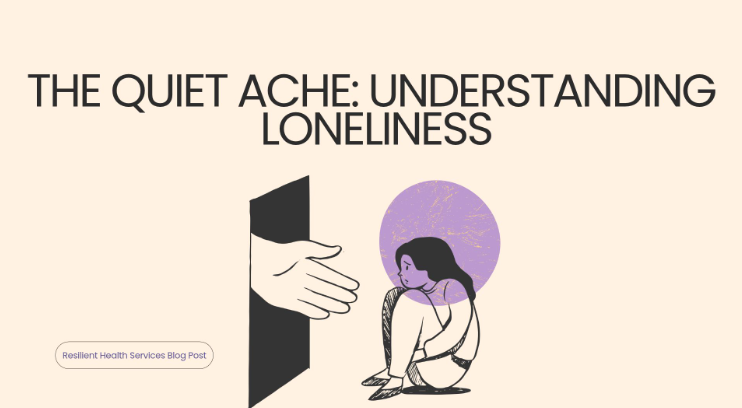
Loneliness is one of the most common feelings people carry into our office, and one of the least talked about. It rarely shows up as the main complaint. It hides behind "I'm just tired," "I've been in a funk," "I don't know why I feel this way, I have no reason too", or "I think something is wrong with me". If that sounds familiar, you are far from alone. Loneliness is not a character flaw or a sign that something is wrong with you. It is a feeling that reminds us something important is missing in our lives. Those feelings may be longing for connection, comfort, or understanding. Lonely is not the same as alone Loneliness is the gap between the connection you want and the connection you have. Re-read that statement. Being alone is a fact about your surroundings; loneliness is a feeling. Plenty of people enjoy the quietness of being alone. The irony of loneliness is that many people can also feel lonely in a full house, a busy workplace, or a long marriage. It can take a few different forms: • Emotional loneliness — missing a close, trusted person who truly knows you. • Social loneliness — lacking a wider circle: friends, neighbors, a group where you belong. • Existential loneliness — feeling that no one could really understand your inner experience, often after loss, illness, or a major life change. It's important to define which feeling or types of loneliness you experience, because each type points toward a different kind of response. Why loneliness matters Loneliness is a health issue, not just a mood. In 2025 the World Health Organization's Commission on Social Connection reported that about 1 in 6 people worldwide experience loneliness, and linked it to roughly 871,000 deaths a year — about 100 every hour. It stated that meaningful social connections play and important role in our emotional and physical well-being. ( World Health Organization ). The same report ties loneliness and isolation to higher risk of stroke, heart disease, diabetes, cognitive decline, and early death. On the mental health side, people who feel lonely are about twice as likely to develop depression, and loneliness is linked to anxiety and thoughts of self-harm. The difficult part is that depression and anxiety make it harder to reach out, and pulling back deepens the sense of loneliness. That is why as professionals we ask about connection as routinely as we ask about sleep and appetite. Why loneliness is so hard to overcome L oneliness changes how the brain reads social situations. When we feel disconnected, the mind shifts into a protective, on-guard mode. A sense of fight or flight. A friend's short text looks like rejection, a quiet room at a party feels like proof we don't belong, and before we know it we believe everyone is talking about us. That sense of threat makes reaching out feel risky, so we hold back. Holding back leads to fewer good interactions, which confirms the fear and deepens the loneliness. It is a loop that does not stop. The good news is that these thought loops can be interrupted . Small, gentle steps toward people dispels threats to our emotional safety if given time. Small steps can create connection You don't need a dramatic change. Start small, 1. Send a message. A "saw this and thought of you" text to someone you've lost touch with. No pressure to keep the conversation going. 2. Turn routines into rhythms. The same coffee shop, gym class, or walking route creates familiar faces, and familiarity is where friendship starts. 3. Join something with a shared task. Volunteering, a faith community, a choir, a rec league, a book club. Doing something side by side is easier than making small talk face to face. 4. Be the one who helps. Offering help to a neighbor or coworker builds connection and quiets the inner critic. 5. Swap some scrolling for real contact. Social media can keep you informed about people without making you feel close to them. Pick up the phone and make that call. It is in our nature to assume that everyone is too busy but the reality is most are assuming the same thing, therefore no connection is made. 6. Notice your self-talk. When your mind says "they don't want to hear from me," treat it as a guess, not a fact, and test it. 7. Enjoy the small moments. A friendly exchange with a cashier still counts. Connection is built in tiny deposits. When to reach out for help Sometimes loneliness is tangled up with depression, anxiety, grief, or trauma, and self-help steps aren't enough. Consider talking with a mental health professional if: • Loneliness has lasted weeks or months and isn't lifting • You've lost interest in things you used to enjoy, or your sleep and appetite have changed • Social situations bring intense fear or dread • You're leaning on alcohol, substances, or screens to numb the feeling • You feel hopeless or have thoughts of not wanting to be here I f you are in crisis or thinking about suicide, call or text 988 to reach the Suicide & Crisis Lifeline, or call 911. At Resilient Health Services, we see loneliness as something worth treating, not something to just push through. If you're ready to talk, call us at 515-461-8889. Reaching out is itself an act of connection, and it's a good place to start. Sources • WHO: Social connection linked to improved health and reduced risk of early death (June 30, 2025) • WHO Commission on Social Connection
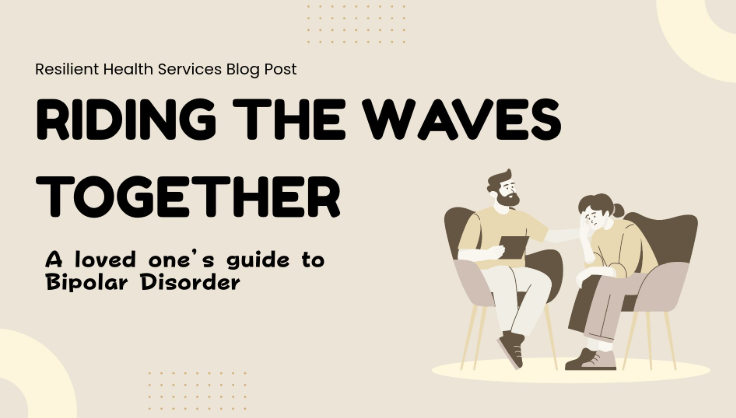
A message for the families, partners, and friends who show up for their loved ones! If you love someone with bipolar disorder, you already know it can feel like learning to sail in changing weather. Some seasons are calm. Some bring storms you didn't see coming. Through all of it, you have stayed on the boat. This guide is for you ! This guide is to help explain what bipolar disorder is, how to help without burning out, what to do when things get hard, and where to turn for support. What Bipolar Disorder Is (and Isn't) Bipolar disorder is a treatable medical condition of the brain that causes shifts in mood, energy, sleep, and activity. These shifts are much larger than ordinary ups and downs, and they can last days to weeks. It is not a character flaw, a lack of willpower, or something your loved one can simply "snap out of." Often terms are thrown around and can be very difficult to understand. Here is a synopsis of the types and what you may see on a diagnostic screening. The main types: • Bipolar I — at least one manic episode that lasts for more than 7 days or more which can be followed by episodes of depression. • Bipolar II — periods of depression and hypomania (a milder form of mania), but usually lasts less than a week. Depression is often the most disabling part. • Cyclothymic disorder — long-lasting, milder mood swings that don't meet full criteria for mania or major depression. What the episodes can look like: • Mania or hypomania — little need for sleep, racing thoughts, fast speech, big plans, irritability, overspending, or risky choices. In mania, judgment can be badly affected, and some people lose touch with reality. • Depression — sadness or emptiness, low energy, sleeping too much or too little, loss of interest, hopelessness, and sometimes thoughts of death or suicide. • Mixed features — symptoms of both at once, such as agitation and high energy alongside despair. This can be an especially risky time. Between episodes, many people feel and function well but often live with fear of another impending episode. With consistent, multi-focused treatment regime — usually medication, therapy, routine, and support — people with bipolar disorder can build full, meaningful lives. Bipolar Disorder: Separating Myths from Facts Bipolar disorder is one of the most misunderstood mental health conditions. Misconceptions can lead to stigma, misunderstanding, and make it harder for people living with bipolar disorder to seek support. Let's break down some of the most common myths and replace them with the facts. Myth #1: Bipolar Disorder Just Means Being Moody Many people use the term "bipolar" to describe someone who seems moody or changes emotions quickly. In reality, bipolar disorder is much more complex than ordinary mood swings. The Fact Bipolar episodes involve significant changes in mood, energy, activity levels, and sleep patterns that can last for days, weeks, or even longer. These episodes go far beyond the normal ups and downs everyone experiences. Myth #2: People Could Stop Their Symptoms If They Really Tried A common misconception is that bipolar disorder can be controlled through willpower alone. The Fact Bipolar disorder is a medical condition that affects the brain. While healthy routines, therapy, and self-awareness can be incredibly helpful, willpower alone cannot prevent episodes. Effective treatment often includes a combination of medication, therapy, and lifestyle management. Myth #3: Mania Is Fun, So People Don't Want Help Movies and social media sometimes portray mania as a period of endless energy, confidence, and productivity. The Fact While mania may initially feel enjoyable for some individuals, it can quickly lead to serious consequences such as exhaustion, strained relationships, financial difficulties, poor decision-making, and regret. During a manic episode, a person may not fully recognize that their behavior has become problematic, making it harder to seek help in the moment. Myth #4: If Someone Feels Better, They Can Stop Taking Medication When symptoms improve, it can be tempting to believe treatment is no longer necessary. The Fact Feeling better is often a sign that treatment is working. Stopping medication without medical guidance can increase the risk of relapse and future episodes. Any changes to medication should be discussed with a healthcare provider. Myth #5: People with Bipolar Disorder Are Dangerous This harmful stereotype contributes to stigma and fear. The Fact Most people living with bipolar disorder are not violent or dangerous. In fact, they are more likely to experience harm themselves than to harm others. Like anyone else, individuals with bipolar disorder deserve understanding, support, and respect. Myth #6: Families Cause Bipolar Disorder Families are sometimes blamed for mental health conditions, creating unnecessary guilt and shame. The Fact Research shows that genetics and brain biology play significant roles in the development of bipolar disorder. Families do not cause bipolar disorder. However, supportive, informed family members can be an important part of recovery and long-term wellness. Final Thoughts Understanding bipolar disorder starts with challenging myths and embracing accurate information. The more we replace stigma with education, the easier it becomes for individuals living with bipolar disorder to seek help, maintain treatment, and build meaningful support systems. Mental health conditions are not character flaws, personal failures, or choices. They are health conditions that deserve the same compassion, understanding, and treatment as any other medical diagnosis. Remember: When in doubt, listen to individuals with lived experience and rely on credible mental health professionals and organizations for information. How to Help: In Calm Waters, Highs, and Lows During stable times (the best time to prepare): • Learn together. Ask what their episodes feel like from the inside and what they want you to notice. • Protect routines. Regular sleep, meals, and activity are some of the strongest guards against relapse. • Support treatment, don't interrogate them when you may feel their moods are changing. Ask your loved one how they would like to be supported. Accompany them to their appointments. Avoid counting pills or lecturing. • Make a plan together. Agree on early warning signs, what helps, who to call, and what to do with money, car keys, or credit cards if things escalate. It is also important to have a "plan for the worst day". When should you seek further help or hospitalization. When you work together to have a safety plan it provides accountability for the one with the bipolar diagnosis and the family member. • Enjoy the good days. Your relationship is more than the illness. Your loved one is not "bipolar". They are an individual who is living with bipolar disorder. During a high (mania or hypomania): • Stay calm, speak simply, and keep conversations short. Avoid arguing about grand ideas. • Lower stimulation: dim lights, quiet rooms, fewer late nights. • Gently encourage sleep and contact with their prescriber. • Use the plan you made together, such as limiting spending or other things that have been agreed on ahead of time. • Don't take irritability or harsh words personally. It is the episode talking. During a low (depression): • Be present more than you are persuasive. "I'm here, and we'll get through this" helps more than "cheer up." Minimizing feelings will breed more isolation and misunderstandings. • Break things into small steps: a shower, a short walk, a meal together. • Listen without trying to fix everything. • Ask directly about suicidal thoughts. Asking does not plant the idea, and it opens the door to getting help. Also, ask about plans or intent. Words that help: • "I've noticed you've seemed different lately. How are you feeling?" • "You're not a burden. I'm here because I care about you." • "What would be most helpful right now?" • "Would it help if I came with you to your appointment?" Warning Signs and When to Act Early warning signs are often personal, and changes in sleep are one of the most common first clues. Watch for shifts from your loved one's usual pattern. Possible signs a high is building: sleeping much less without feeling tired, talking faster, starting many projects, sudden spending, unusual irritability, or risky behavior. Possible signs a low is building: withdrawing from people, sleeping much more, skipping meals or hygiene, missing work or school, or talking about feeling worthless or like a burden. Call the prescriber or therapist (with your loved one, or with their permission) when you see early signs. Early adjustments can prevent a full episode. Get help right away if your loved one: • Talks about wanting to die, being a burden, or having no reason to live • Has a plan, is giving away belongings, or is saying goodbyes • Is seeing or hearing things others don't, or has beliefs that are clearly out of touch with reality • Has gone several nights with little or no sleep and is escalating • Is a danger to themselves or someone else In a crisis: • Call or text 988 (Suicide & Crisis Lifeline), 24/7. You can call for yourself or for someone you're worried about. Veterans: dial 988, then press 1. • In Iowa: Your Life Iowa — call (855) 581-8111, text (855) 895-8398, or chat at yourlifeiowa.org, 24/7. • Broadlawns Behavioral Health Urgent Care or Eyerly Ball Urgent Care can provide assistance the same day. • Call 911 or go to the nearest emergency room if there is immediate danger. If you call 911, tell the dispatcher it is a mental health crisis and ask whether a mobile crisis team or crisis-trained officer is available. The highly trained mobile crisis team can come to your location. Remove or lock up firearms, medications, and other means of harm during high-risk times. Recognize That Your Health Matters First You cannot pour from an empty cup. Caring for someone you love is meaningful, and it is also tiring. Your health matters too. • Set boundaries with love. You can say, "I love you, and I won't accept being yelled at. Let's talk when things are calmer." • Know what you can't control. You can support treatment, but you can't make choices for another adult. • Keep your own life going. Protect your sleep, friendships, faith, hobbies, and time outdoors. • Find your people. Family support groups connect you with others who truly understand. • Get your own support. A therapist or counselor for yourself is not a sign of weakness. It is good care. • Let go of guilt. Episodes are not your fault, and you are not failing when symptoms return. Resources for Family and Friends: Supporting a Loved One with Bipolar Disorder When someone you care about is living with bipolar disorder, it can be difficult to know how to help. You may have questions about symptoms, treatment, or what to do during a crisis. The good news is that you don't have to navigate it alone. There are many resources available for family members and friends who want to better understand bipolar disorder and provide meaningful support. When a Crisis Happens: Know Where to Turn Mental health crises can happen unexpectedly. Having support options readily available can make a significant difference for both the individual in crisis and those trying to help. 988 Suicide & Crisis Lifeline The 988 Suicide & Crisis Lifeline provides free, confidential support 24 hours a day, 7 days a week. Anyone experiencing emotional distress can call or text 988, and family members concerned about a loved one can also reach out for guidance. Veterans can access specialized support by pressing 1. Your Life Iowa Your Life Iowa offers statewide support for mental health, suicide prevention, and substance use concerns. Assistance is available through phone, text, or online chat, and staff can help connect individuals with local treatment and support services. Mobile Crisis Services In Polk County, mobile crisis teams can come directly to a home or community location to assess a situation and help stabilize a crisis. This service can be especially valuable when someone is struggling but does not require emergency hospitalization. Polk County Mobile Crisis Contact: 515-286-3333 Broadlawns Behavioral Health Urgent Care Center Located in Des Moines, Broadlawns provides 24/7 walk-in access for individuals experiencing urgent mental health or substance use crises. No appointment is needed, making it a valuable option for immediate support. Location: 1914 Carpenter Avenue, Des Moines Phone: 515-282-5742 Education and Support for Families Caring for someone with bipolar disorder can be emotionally challenging. Education can help families better understand what their loved one is experiencing, while support groups provide opportunities to connect with others facing similar situations. NAMI Iowa The National Alliance on Mental Illness (NAMI) Iowa offers free family support groups, educational programs, and resources throughout the state. These programs help family members learn practical strategies while building a network of support. Phone: 515-254-0417 Address: 3839 Merle Hay Road, Suite 229, Des Moines NAMI Family-to-Family Program One of the most highly regarded family education programs available, NAMI Family-to-Family is a free eight-session course designed specifically for family members, partners, and friends of individuals living with mental illness. Classes are taught by trained family members who understand the challenges firsthand. NAMI HelpLine If you're looking for information, guidance, or referrals, the NAMI HelpLine can connect you with resources and support. Phone: 800-950-6264 Text: Text "NAMI" to 62640 Bipolar-Specific Resources For families seeking information specifically related to bipolar disorder, several organizations offer educational materials, support groups, and caregiver resources. Depression and Bipolar Support Alliance (DBSA) DBSA provides peer-led support groups, educational tools, and resources for both individuals living with bipolar disorder and their family members. Many groups are available online, making support accessible from anywhere. International Bipolar Foundation (IBPF) The International Bipolar Foundation offers free webinars, articles, caregiver resources, and educational materials. Families can also access their free guide, Healthy Living with Bipolar Disorder, which provides practical advice for managing the condition and supporting recovery. National Institute of Mental Health (NIMH) For trusted, research-based information, NIMH provides easy-to-understand resources about bipolar disorder, including symptoms, treatment options, and current research findings. A Thank-You to Every Loved One in the Room As our Bipolar Support Group celebrates another year, we want to honor the people standing beside our members. Your patience, your questions, your late-night phone calls, and your steady presence are part of every recovery story told in our group. With gratitude, Tami Halbersma, ARNP, PMHNP-BC and Dr. Wilky Sanon, DHA, MS, NCC, LMHC This post is for education and support. It is not a substitute for professional medical advice. Talk with your loved one's care team about their individu
Chasing the Light: Understanding Seasonal Depression If you have noticed it getting harder to get out of bed lately, you are not imagining it. Here in central Iowa, we lose a few minutes of daylight every day this time of year. When daylight saving time ends on Sunday, November 1, sunset will jump to around 5 p.m. By the winter solstice, Des Moines gets barely nine hours of daylight, about six fewer than in June. For many people, that shift brings a little sluggishness, craving for comfort food, and no desire to be outside. For others, it brings something heavier: a real, recurring depression that arrives with the fall and lifts with the spring. This pattern is called seasonal affective disorder (SAD), and it is very treatable. Winter blues, or something more? SAD is a form of depression that follows the seasons. In clinical terms, it is major depression with a seasonal pattern: episodes start at about the same time each year and fully resolve when the season changes, typically for at least two years in a row. The "winter blues" are common and milder. You might feel a bit flat, sleep a little more, or miss the sunshine, but you still function well and enjoy the things you care about. SAD is different. It gets in the way of work, relationships, and daily life, and it tends to last for months rather than days. Most people with SAD have a fall and winter pattern. Others may experience a summer pattern, often with poor sleep, low appetite, and restlessness. What it can look like Winter-pattern SAD often feels like your body is trying to hibernate. Common signs include: • Low mood most of the day, nearly every day • Losing interest in things you usually enjoy • Sleeping much more than usual and still feeling tired • Heavy, low-energy days, sometimes described as feeling like your limbs are made of lead • Craving carbohydrates and sweets, often with weight gain • Trouble concentrating or making decisions • Pulling away from friends, family, and activities • Feeling hopeless, worthless, or guilty The key clue is timing . If these changes show up around the same time every fall and fade by spring, it is worth paying attention to the pattern. Why less light affects mood Over the years, researchers have tried to pinpoint the exact cause for this phenomenon. Ultimately it comes down to light, specifically daylight. Your brain uses morning light to set its internal clock. This internal clock is called the circadian rhythm. Your circadian rhythm guides sleep, energy, and hormones. When mornings stay dark, that clock can drift out of sync with your daily schedule. Several other changes seem to play a part: • Melatonin. Longer nights mean the body makes more of this sleep hormone, which can leave you groggy and slow. • Serotonin. Less sunlight is linked to lower activity of serotonin, a brain chemical that helps regulate mood. • Vitamin D. Our skin makes vitamin D from sunlight, and levels often dip in winter. Low vitamin D has been linked to depression, though it is not the whole explanation. Your changing mood is not a sign of weakness or a lack of willpower. It truly is a biological response to a changing environment. Who is more likely to experience it Anyone can develop SAD, but some factors raise the odds: • Where you live. SAD is more common the farther you live from the equator. That puts Iowans at higher risk than people in the southern states. • Sex and age. Women are diagnosed far more often than men, and symptoms usually begin in young adulthood. • Family history. Depression or SAD in close relatives increases risk. • Existing mood conditions. People with depression or bipolar disorder may notice their symptoms worsen with the seasons. Estimates suggest that roughly 5% of U.S. adults experience SAD, and many more have milder winter blues. What helps The good news: SAD responds well to treatment, and many people feel better within a few weeks. The best plan depends on your history and symptoms, so it is worth building it with a provider. Light therapy. Sitting near a special light box each morning is one of the most effective treatments for winter-pattern SAD. Boxes rated at 10,000 lux are typically used for 20 to 30 minutes, soon after waking. Look for one that filters UV light. These can be found on Amazon or other stores. Talk with your provider first if you have bipolar disorder, eye conditions, or take medications that increase light sensitivity. Talk therapy. Consistent appointments with your therapist can help people challenge winter-related negative thoughts and plan enjoyable activities through the dark months. Medication. Antidepressants can be very effective and can be used for a season. For people with a clear yearly pattern, starting treatment before symptoms usually return can help prevent an episode altogether. Daily habits that make a difference: • Get outside in the morning, even on cloudy days • Open blinds and sit near windows when you can • Keep a consistent sleep and wake time, if possible on the weekends as well • Move your body most days, ideally outdoors, but indoors works too • Stay connected with people, even when you would rather stay in • Ask your provider whether checking your vitamin D level makes sense • Plan things to look forward to through the winter When to reach out If low mood has lasted two weeks or more, is affecting your work or relationships, or follows the same pattern every year, it is time to talk with someone. You do not have to wait until winter is in full swing. Fall is actually the best time to make a plan. If you are having thoughts of suicide or harming yourself, call or text 988 , the Suicide and Crisis Lifeline, any time of day. In an emergency, call 911. At Resilient Health Services, we help people navigate seasonal and year-round mood changes with care that fits their lives. To schedule an appointment, call us at 515-461-8889 . The days will get longer again. Until then, you do not have to wait it out alone.

Take charge of your well-being! Explore personalized mental health services, from therapy to advanced care, to find your path to healing.

The Resilient Reader: Volume 6| Why Does Life Feel So Much Harder Than Ever?

The Resilient Reader: Volume 4| Why Medication Isn't The Only Answer But Why It Can Help
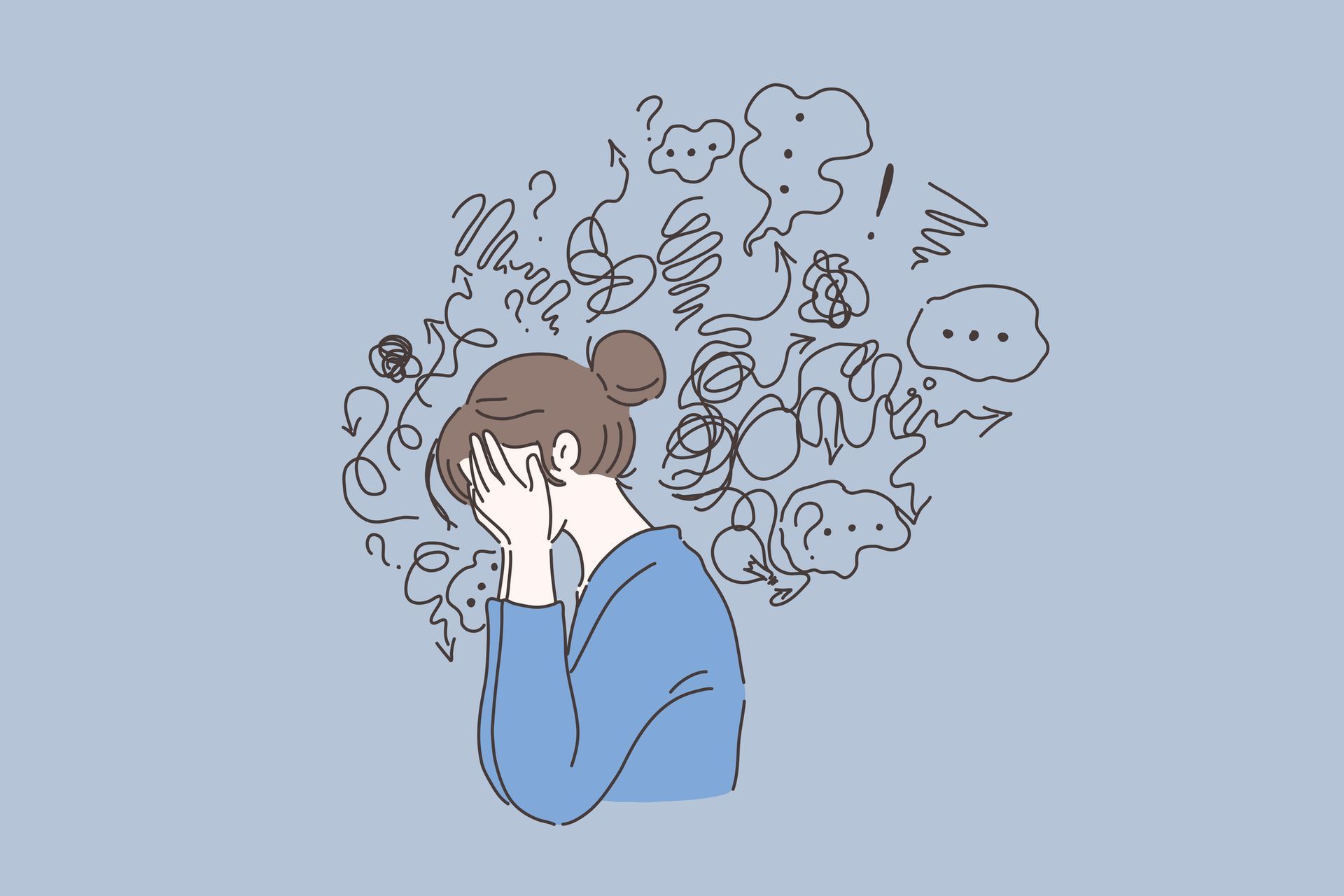
The Resilient Reader: Volume 5| Hidden Symptoms Of Mood Disoders

Discover how professional ketamine therapy targets brain pathways, resets emotional patterns, and provides fast, lasting mental relief, giving you fresh hope.

The Resilient Reader: Volume 1 | Bipolar Disorder






Loneliness is one of the most common feelings people carry into our office, and one of the least talked about. It rarely shows up as the main complaint. It hides behind "I'm just tired," "I've been in a funk," "I don't know why I feel this way, I have no reason too", or "I think something is wrong with me". If that sounds familiar, you are far from alone. Loneliness is not a character flaw or a sign that something is wrong with you. It is a feeling that reminds us something important is missing in our lives. Those feelings may be longing for connection, comfort, or understanding. Lonely is not the same as alone Loneliness is the gap between the connection you want and the connection you have. Re-read that statement. Being alone is a fact about your surroundings; loneliness is a feeling. Plenty of people enjoy the quietness of being alone. The irony of loneliness is that many people can also feel lonely in a full house, a busy workplace, or a long marriage. It can take a few different forms: • Emotional loneliness — missing a close, trusted person who truly knows you. • Social loneliness — lacking a wider circle: friends, neighbors, a group where you belong. • Existential loneliness — feeling that no one could really understand your inner experience, often after loss, illness, or a major life change. It's important to define which feeling or types of loneliness you experience, because each type points toward a different kind of response. Why loneliness matters Loneliness is a health issue, not just a mood. In 2025 the World Health Organization's Commission on Social Connection reported that about 1 in 6 people worldwide experience loneliness, and linked it to roughly 871,000 deaths a year — about 100 every hour. It stated that meaningful social connections play and important role in our emotional and physical well-being. ( World Health Organization ). The same report ties loneliness and isolation to higher risk of stroke, heart disease, diabetes, cognitive decline, and early death. On the mental health side, people who feel lonely are about twice as likely to develop depression, and loneliness is linked to anxiety and thoughts of self-harm. The difficult part is that depression and anxiety make it harder to reach out, and pulling back deepens the sense of loneliness. That is why as professionals we ask about connection as routinely as we ask about sleep and appetite. Why loneliness is so hard to overcome L oneliness changes how the brain reads social situations. When we feel disconnected, the mind shifts into a protective, on-guard mode. A sense of fight or flight. A friend's short text looks like rejection, a quiet room at a party feels like proof we don't belong, and before we know it we believe everyone is talking about us. That sense of threat makes reaching out feel risky, so we hold back. Holding back leads to fewer good interactions, which confirms the fear and deepens the loneliness. It is a loop that does not stop. The good news is that these thought loops can be interrupted . Small, gentle steps toward people dispels threats to our emotional safety if given time. Small steps can create connection You don't need a dramatic change. Start small, 1. Send a message. A "saw this and thought of you" text to someone you've lost touch with. No pressure to keep the conversation going. 2. Turn routines into rhythms. The same coffee shop, gym class, or walking route creates familiar faces, and familiarity is where friendship starts. 3. Join something with a shared task. Volunteering, a faith community, a choir, a rec league, a book club. Doing something side by side is easier than making small talk face to face. 4. Be the one who helps. Offering help to a neighbor or coworker builds connection and quiets the inner critic. 5. Swap some scrolling for real contact. Social media can keep you informed about people without making you feel close to them. Pick up the phone and make that call. It is in our nature to assume that everyone is too busy but the reality is most are assuming the same thing, therefore no connection is made. 6. Notice your self-talk. When your mind says "they don't want to hear from me," treat it as a guess, not a fact, and test it. 7. Enjoy the small moments. A friendly exchange with a cashier still counts. Connection is built in tiny deposits. When to reach out for help Sometimes loneliness is tangled up with depression, anxiety, grief, or trauma, and self-help steps aren't enough. Consider talking with a mental health professional if: • Loneliness has lasted weeks or months and isn't lifting • You've lost interest in things you used to enjoy, or your sleep and appetite have changed • Social situations bring intense fear or dread • You're leaning on alcohol, substances, or screens to numb the feeling • You feel hopeless or have thoughts of not wanting to be here I f you are in crisis or thinking about suicide, call or text 988 to reach the Suicide & Crisis Lifeline, or call 911. At Resilient Health Services, we see loneliness as something worth treating, not something to just push through. If you're ready to talk, call us at 515-461-8889. Reaching out is itself an act of connection, and it's a good place to start. Sources • WHO: Social connection linked to improved health and reduced risk of early death (June 30, 2025) • WHO Commission on Social Connection
A message for the families, partners, and friends who show up for their loved ones! If you love someone with bipolar disorder, you already know it can feel like learning to sail in changing weather. Some seasons are calm. Some bring storms you didn't see coming. Through all of it, you have stayed on the boat. This guide is for you ! This guide is to help explain what bipolar disorder is, how to help without burning out, what to do when things get hard, and where to turn for support. What Bipolar Disorder Is (and Isn't) Bipolar disorder is a treatable medical condition of the brain that causes shifts in mood, energy, sleep, and activity. These shifts are much larger than ordinary ups and downs, and they can last days to weeks. It is not a character flaw, a lack of willpower, or something your loved one can simply "snap out of." Often terms are thrown around and can be very difficult to understand. Here is a synopsis of the types and what you may see on a diagnostic screening. The main types: • Bipolar I — at least one manic episode that lasts for more than 7 days or more which can be followed by episodes of depression. • Bipolar II — periods of depression and hypomania (a milder form of mania), but usually lasts less than a week. Depression is often the most disabling part. • Cyclothymic disorder — long-lasting, milder mood swings that don't meet full criteria for mania or major depression. What the episodes can look like: • Mania or hypomania — little need for sleep, racing thoughts, fast speech, big plans, irritability, overspending, or risky choices. In mania, judgment can be badly affected, and some people lose touch with reality. • Depression — sadness or emptiness, low energy, sleeping too much or too little, loss of interest, hopelessness, and sometimes thoughts of death or suicide. • Mixed features — symptoms of both at once, such as agitation and high energy alongside despair. This can be an especially risky time. Between episodes, many people feel and function well but often live with fear of another impending episode. With consistent, multi-focused treatment regime — usually medication, therapy, routine, and support — people with bipolar disorder can build full, meaningful lives. Bipolar Disorder: Separating Myths from Facts Bipolar disorder is one of the most misunderstood mental health conditions. Misconceptions can lead to stigma, misunderstanding, and make it harder for people living with bipolar disorder to seek support. Let's break down some of the most common myths and replace them with the facts. Myth #1: Bipolar Disorder Just Means Being Moody Many people use the term "bipolar" to describe someone who seems moody or changes emotions quickly. In reality, bipolar disorder is much more complex than ordinary mood swings. The Fact Bipolar episodes involve significant changes in mood, energy, activity levels, and sleep patterns that can last for days, weeks, or even longer. These episodes go far beyond the normal ups and downs everyone experiences. Myth #2: People Could Stop Their Symptoms If They Really Tried A common misconception is that bipolar disorder can be controlled through willpower alone. The Fact Bipolar disorder is a medical condition that affects the brain. While healthy routines, therapy, and self-awareness can be incredibly helpful, willpower alone cannot prevent episodes. Effective treatment often includes a combination of medication, therapy, and lifestyle management. Myth #3: Mania Is Fun, So People Don't Want Help Movies and social media sometimes portray mania as a period of endless energy, confidence, and productivity. The Fact While mania may initially feel enjoyable for some individuals, it can quickly lead to serious consequences such as exhaustion, strained relationships, financial difficulties, poor decision-making, and regret. During a manic episode, a person may not fully recognize that their behavior has become problematic, making it harder to seek help in the moment. Myth #4: If Someone Feels Better, They Can Stop Taking Medication When symptoms improve, it can be tempting to believe treatment is no longer necessary. The Fact Feeling better is often a sign that treatment is working. Stopping medication without medical guidance can increase the risk of relapse and future episodes. Any changes to medication should be discussed with a healthcare provider. Myth #5: People with Bipolar Disorder Are Dangerous This harmful stereotype contributes to stigma and fear. The Fact Most people living with bipolar disorder are not violent or dangerous. In fact, they are more likely to experience harm themselves than to harm others. Like anyone else, individuals with bipolar disorder deserve understanding, support, and respect. Myth #6: Families Cause Bipolar Disorder Families are sometimes blamed for mental health conditions, creating unnecessary guilt and shame. The Fact Research shows that genetics and brain biology play significant roles in the development of bipolar disorder. Families do not cause bipolar disorder. However, supportive, informed family members can be an important part of recovery and long-term wellness. Final Thoughts Understanding bipolar disorder starts with challenging myths and embracing accurate information. The more we replace stigma with education, the easier it becomes for individuals living with bipolar disorder to seek help, maintain treatment, and build meaningful support systems. Mental health conditions are not character flaws, personal failures, or choices. They are health conditions that deserve the same compassion, understanding, and treatment as any other medical diagnosis. Remember: When in doubt, listen to individuals with lived experience and rely on credible mental health professionals and organizations for information. How to Help: In Calm Waters, Highs, and Lows During stable times (the best time to prepare): • Learn together. Ask what their episodes feel like from the inside and what they want you to notice. • Protect routines. Regular sleep, meals, and activity are some of the strongest guards against relapse. • Support treatment, don't interrogate them when you may feel their moods are changing. Ask your loved one how they would like to be supported. Accompany them to their appointments. Avoid counting pills or lecturing. • Make a plan together. Agree on early warning signs, what helps, who to call, and what to do with money, car keys, or credit cards if things escalate. It is also important to have a "plan for the worst day". When should you seek further help or hospitalization. When you work together to have a safety plan it provides accountability for the one with the bipolar diagnosis and the family member. • Enjoy the good days. Your relationship is more than the illness. Your loved one is not "bipolar". They are an individual who is living with bipolar disorder. During a high (mania or hypomania): • Stay calm, speak simply, and keep conversations short. Avoid arguing about grand ideas. • Lower stimulation: dim lights, quiet rooms, fewer late nights. • Gently encourage sleep and contact with their prescriber. • Use the plan you made together, such as limiting spending or other things that have been agreed on ahead of time. • Don't take irritability or harsh words personally. It is the episode talking. During a low (depression): • Be present more than you are persuasive. "I'm here, and we'll get through this" helps more than "cheer up." Minimizing feelings will breed more isolation and misunderstandings. • Break things into small steps: a shower, a short walk, a meal together. • Listen without trying to fix everything. • Ask directly about suicidal thoughts. Asking does not plant the idea, and it opens the door to getting help. Also, ask about plans or intent. Words that help: • "I've noticed you've seemed different lately. How are you feeling?" • "You're not a burden. I'm here because I care about you." • "What would be most helpful right now?" • "Would it help if I came with you to your appointment?" Warning Signs and When to Act Early warning signs are often personal, and changes in sleep are one of the most common first clues. Watch for shifts from your loved one's usual pattern. Possible signs a high is building: sleeping much less without feeling tired, talking faster, starting many projects, sudden spending, unusual irritability, or risky behavior. Possible signs a low is building: withdrawing from people, sleeping much more, skipping meals or hygiene, missing work or school, or talking about feeling worthless or like a burden. Call the prescriber or therapist (with your loved one, or with their permission) when you see early signs. Early adjustments can prevent a full episode. Get help right away if your loved one: • Talks about wanting to die, being a burden, or having no reason to live • Has a plan, is giving away belongings, or is saying goodbyes • Is seeing or hearing things others don't, or has beliefs that are clearly out of touch with reality • Has gone several nights with little or no sleep and is escalating • Is a danger to themselves or someone else In a crisis: • Call or text 988 (Suicide & Crisis Lifeline), 24/7. You can call for yourself or for someone you're worried about. Veterans: dial 988, then press 1. • In Iowa: Your Life Iowa — call (855) 581-8111, text (855) 895-8398, or chat at yourlifeiowa.org, 24/7. • Broadlawns Behavioral Health Urgent Care or Eyerly Ball Urgent Care can provide assistance the same day. • Call 911 or go to the nearest emergency room if there is immediate danger. If you call 911, tell the dispatcher it is a mental health crisis and ask whether a mobile crisis team or crisis-trained officer is available. The highly trained mobile crisis team can come to your location. Remove or lock up firearms, medications, and other means of harm during high-risk times. Recognize That Your Health Matters First You cannot pour from an empty cup. Caring for someone you love is meaningful, and it is also tiring. Your health matters too. • Set boundaries with love. You can say, "I love you, and I won't accept being yelled at. Let's talk when things are calmer." • Know what you can't control. You can support treatment, but you can't make choices for another adult. • Keep your own life going. Protect your sleep, friendships, faith, hobbies, and time outdoors. • Find your people. Family support groups connect you with others who truly understand. • Get your own support. A therapist or counselor for yourself is not a sign of weakness. It is good care. • Let go of guilt. Episodes are not your fault, and you are not failing when symptoms return. Resources for Family and Friends: Supporting a Loved One with Bipolar Disorder When someone you care about is living with bipolar disorder, it can be difficult to know how to help. You may have questions about symptoms, treatment, or what to do during a crisis. The good news is that you don't have to navigate it alone. There are many resources available for family members and friends who want to better understand bipolar disorder and provide meaningful support. When a Crisis Happens: Know Where to Turn Mental health crises can happen unexpectedly. Having support options readily available can make a significant difference for both the individual in crisis and those trying to help. 988 Suicide & Crisis Lifeline The 988 Suicide & Crisis Lifeline provides free, confidential support 24 hours a day, 7 days a week. Anyone experiencing emotional distress can call or text 988, and family members concerned about a loved one can also reach out for guidance. Veterans can access specialized support by pressing 1. Your Life Iowa Your Life Iowa offers statewide support for mental health, suicide prevention, and substance use concerns. Assistance is available through phone, text, or online chat, and staff can help connect individuals with local treatment and support services. Mobile Crisis Services In Polk County, mobile crisis teams can come directly to a home or community location to assess a situation and help stabilize a crisis. This service can be especially valuable when someone is struggling but does not require emergency hospitalization. Polk County Mobile Crisis Contact: 515-286-3333 Broadlawns Behavioral Health Urgent Care Center Located in Des Moines, Broadlawns provides 24/7 walk-in access for individuals experiencing urgent mental health or substance use crises. No appointment is needed, making it a valuable option for immediate support. Location: 1914 Carpenter Avenue, Des Moines Phone: 515-282-5742 Education and Support for Families Caring for someone with bipolar disorder can be emotionally challenging. Education can help families better understand what their loved one is experiencing, while support groups provide opportunities to connect with others facing similar situations. NAMI Iowa The National Alliance on Mental Illness (NAMI) Iowa offers free family support groups, educational programs, and resources throughout the state. These programs help family members learn practical strategies while building a network of support. Phone: 515-254-0417 Address: 3839 Merle Hay Road, Suite 229, Des Moines NAMI Family-to-Family Program One of the most highly regarded family education programs available, NAMI Family-to-Family is a free eight-session course designed specifically for family members, partners, and friends of individuals living with mental illness. Classes are taught by trained family members who understand the challenges firsthand. NAMI HelpLine If you're looking for information, guidance, or referrals, the NAMI HelpLine can connect you with resources and support. Phone: 800-950-6264 Text: Text "NAMI" to 62640 Bipolar-Specific Resources For families seeking information specifically related to bipolar disorder, several organizations offer educational materials, support groups, and caregiver resources. Depression and Bipolar Support Alliance (DBSA) DBSA provides peer-led support groups, educational tools, and resources for both individuals living with bipolar disorder and their family members. Many groups are available online, making support accessible from anywhere. International Bipolar Foundation (IBPF) The International Bipolar Foundation offers free webinars, articles, caregiver resources, and educational materials. Families can also access their free guide, Healthy Living with Bipolar Disorder, which provides practical advice for managing the condition and supporting recovery. National Institute of Mental Health (NIMH) For trusted, research-based information, NIMH provides easy-to-understand resources about bipolar disorder, including symptoms, treatment options, and current research findings. A Thank-You to Every Loved One in the Room As our Bipolar Support Group celebrates another year, we want to honor the people standing beside our members. Your patience, your questions, your late-night phone calls, and your steady presence are part of every recovery story told in our group. With gratitude, Tami Halbersma, ARNP, PMHNP-BC and Dr. Wilky Sanon, DHA, MS, NCC, LMHC This post is for education and support. It is not a substitute for professional medical advice. Talk with your loved one's care team about their individu
Chasing the Light: Understanding Seasonal Depression If you have noticed it getting harder to get out of bed lately, you are not imagining it. Here in central Iowa, we lose a few minutes of daylight every day this time of year. When daylight saving time ends on Sunday, November 1, sunset will jump to around 5 p.m. By the winter solstice, Des Moines gets barely nine hours of daylight, about six fewer than in June. For many people, that shift brings a little sluggishness, craving for comfort food, and no desire to be outside. For others, it brings something heavier: a real, recurring depression that arrives with the fall and lifts with the spring. This pattern is called seasonal affective disorder (SAD), and it is very treatable. Winter blues, or something more? SAD is a form of depression that follows the seasons. In clinical terms, it is major depression with a seasonal pattern: episodes start at about the same time each year and fully resolve when the season changes, typically for at least two years in a row. The "winter blues" are common and milder. You might feel a bit flat, sleep a little more, or miss the sunshine, but you still function well and enjoy the things you care about. SAD is different. It gets in the way of work, relationships, and daily life, and it tends to last for months rather than days. Most people with SAD have a fall and winter pattern. Others may experience a summer pattern, often with poor sleep, low appetite, and restlessness. What it can look like Winter-pattern SAD often feels like your body is trying to hibernate. Common signs include: • Low mood most of the day, nearly every day • Losing interest in things you usually enjoy • Sleeping much more than usual and still feeling tired • Heavy, low-energy days, sometimes described as feeling like your limbs are made of lead • Craving carbohydrates and sweets, often with weight gain • Trouble concentrating or making decisions • Pulling away from friends, family, and activities • Feeling hopeless, worthless, or guilty The key clue is timing . If these changes show up around the same time every fall and fade by spring, it is worth paying attention to the pattern. Why less light affects mood Over the years, researchers have tried to pinpoint the exact cause for this phenomenon. Ultimately it comes down to light, specifically daylight. Your brain uses morning light to set its internal clock. This internal clock is called the circadian rhythm. Your circadian rhythm guides sleep, energy, and hormones. When mornings stay dark, that clock can drift out of sync with your daily schedule. Several other changes seem to play a part: • Melatonin. Longer nights mean the body makes more of this sleep hormone, which can leave you groggy and slow. • Serotonin. Less sunlight is linked to lower activity of serotonin, a brain chemical that helps regulate mood. • Vitamin D. Our skin makes vitamin D from sunlight, and levels often dip in winter. Low vitamin D has been linked to depression, though it is not the whole explanation. Your changing mood is not a sign of weakness or a lack of willpower. It truly is a biological response to a changing environment. Who is more likely to experience it Anyone can develop SAD, but some factors raise the odds: • Where you live. SAD is more common the farther you live from the equator. That puts Iowans at higher risk than people in the southern states. • Sex and age. Women are diagnosed far more often than men, and symptoms usually begin in young adulthood. • Family history. Depression or SAD in close relatives increases risk. • Existing mood conditions. People with depression or bipolar disorder may notice their symptoms worsen with the seasons. Estimates suggest that roughly 5% of U.S. adults experience SAD, and many more have milder winter blues. What helps The good news: SAD responds well to treatment, and many people feel better within a few weeks. The best plan depends on your history and symptoms, so it is worth building it with a provider. Light therapy. Sitting near a special light box each morning is one of the most effective treatments for winter-pattern SAD. Boxes rated at 10,000 lux are typically used for 20 to 30 minutes, soon after waking. Look for one that filters UV light. These can be found on Amazon or other stores. Talk with your provider first if you have bipolar disorder, eye conditions, or take medications that increase light sensitivity. Talk therapy. Consistent appointments with your therapist can help people challenge winter-related negative thoughts and plan enjoyable activities through the dark months. Medication. Antidepressants can be very effective and can be used for a season. For people with a clear yearly pattern, starting treatment before symptoms usually return can help prevent an episode altogether. Daily habits that make a difference: • Get outside in the morning, even on cloudy days • Open blinds and sit near windows when you can • Keep a consistent sleep and wake time, if possible on the weekends as well • Move your body most days, ideally outdoors, but indoors works too • Stay connected with people, even when you would rather stay in • Ask your provider whether checking your vitamin D level makes sense • Plan things to look forward to through the winter When to reach out If low mood has lasted two weeks or more, is affecting your work or relationships, or follows the same pattern every year, it is time to talk with someone. You do not have to wait until winter is in full swing. Fall is actually the best time to make a plan. If you are having thoughts of suicide or harming yourself, call or text 988 , the Suicide and Crisis Lifeline, any time of day. In an emergency, call 911. At Resilient Health Services, we help people navigate seasonal and year-round mood changes with care that fits their lives. To schedule an appointment, call us at 515-461-8889 . The days will get longer again. Until then, you do not have to wait it out alone.
Take charge of your well-being! Explore personalized mental health services, from therapy to advanced care, to find your path to healing.
The Resilient Reader: Volume 6| Why Does Life Feel So Much Harder Than Ever?
The Resilient Reader: Volume 4| Why Medication Isn't The Only Answer But Why It Can Help
The Resilient Reader: Volume 5| Hidden Symptoms Of Mood Disoders
Discover how professional ketamine therapy targets brain pathways, resets emotional patterns, and provides fast, lasting mental relief, giving you fresh hope.
The Resilient Reader: Volume 1 | Bipolar Disorder